“CHANGE IS NOT SOMETHING THAT WE SHOULD FEAR. RATHER, IT IS SOMETHING THAT WE SHOULD WELCOME. FOR WITHOUT CHANGE. NOTHING IN THIS WORLD WOULD EVER GROW OR BLOSSOM, AND NO ONE IN THIS WORLD WOULD EVER MOVE FORWARD TO BECOME THE PERSON THEY’RE MEANT TO BE.”
“BREATH IS THE VEHICLE OF CONSCIOUSNESS AND SO, BY ITS SLOW MEASURED OBSERVATION AND DISTRIBUTION, WE LEARN TO TUG OUR ATTENTION AWAY FROM EXTERNAL DESIRES TOWARD A JUDICIOUS, INTELLIGENT AWARENESS.”
“THE MATERIAL BODY HAS A PRACTICAL REALITY THAT IS ACCESSIBLE. IT IS HERE AND NOW. AND WE CAN DO SOMETHING WITH IT. HOWEVER, WE MUST NOT FORGET THAT THE INNERMOST PART OF OUR BEING IS ALSO TRYING TO HELP US. IT WANTS TO COME OUT TO THE SURFACE AND EXPRESS ITSELF.”
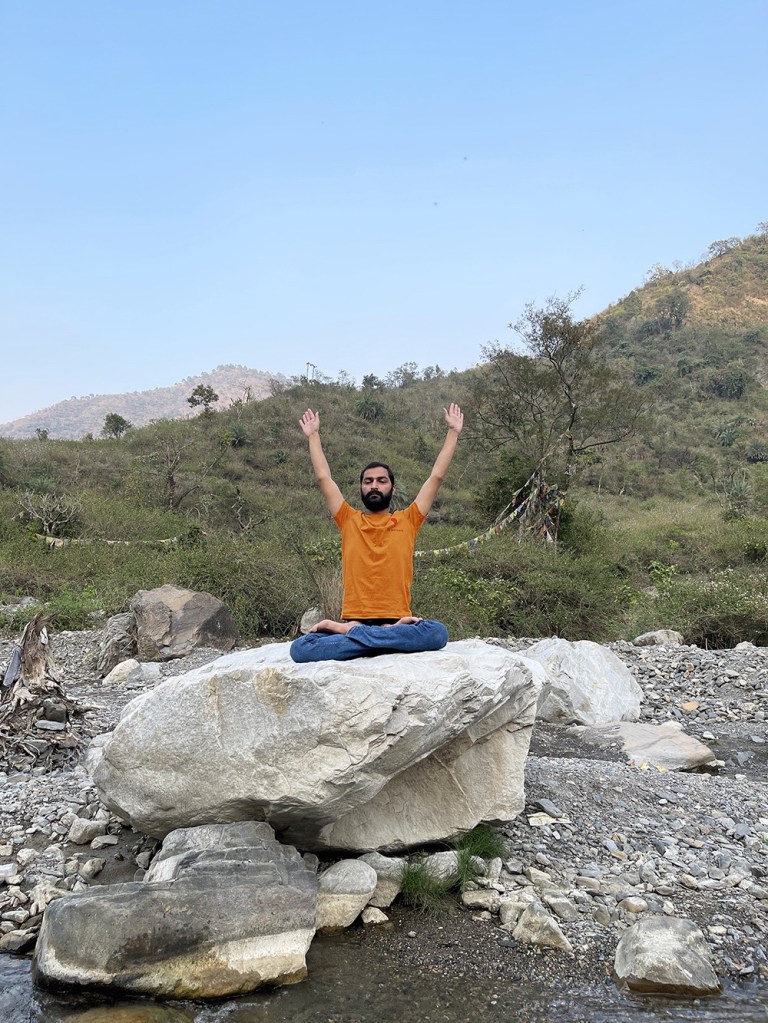
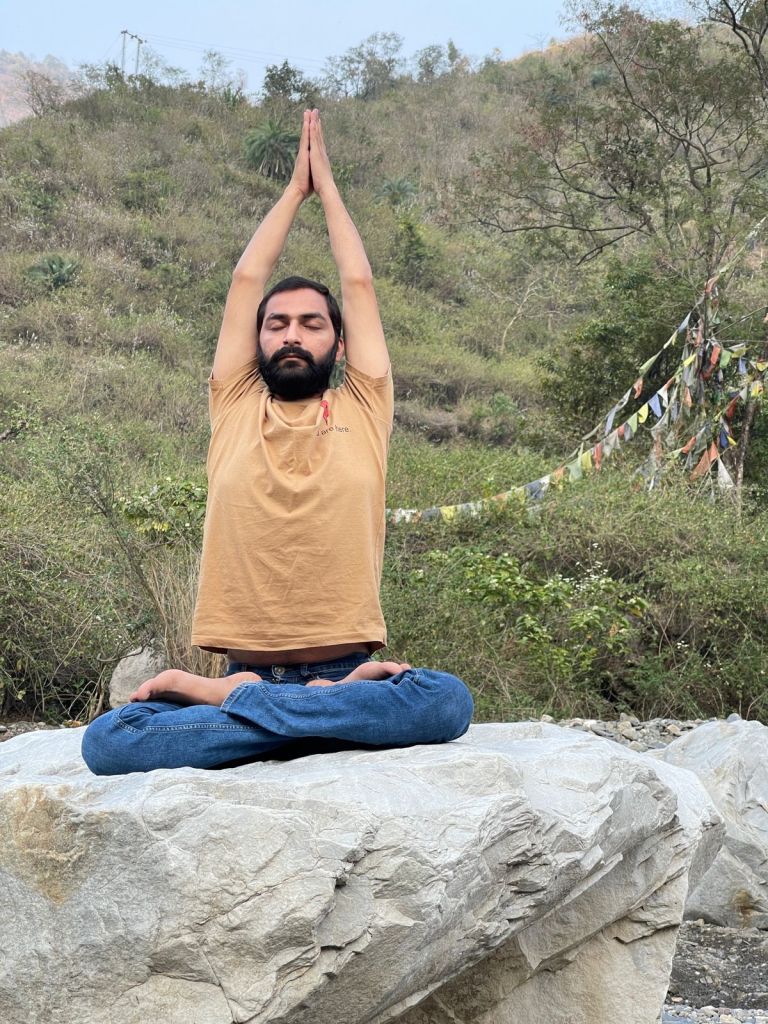
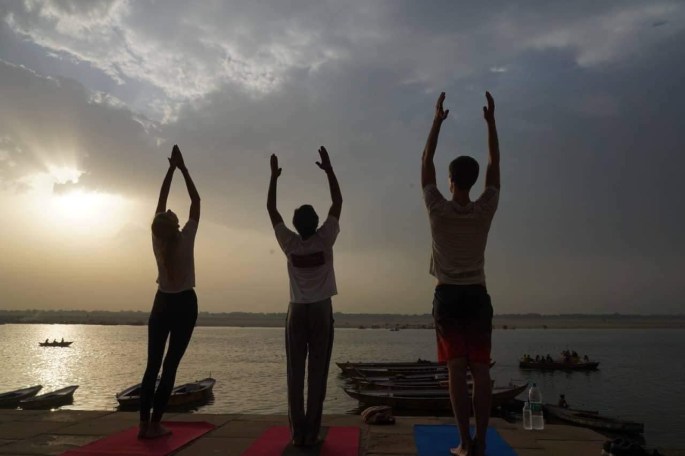
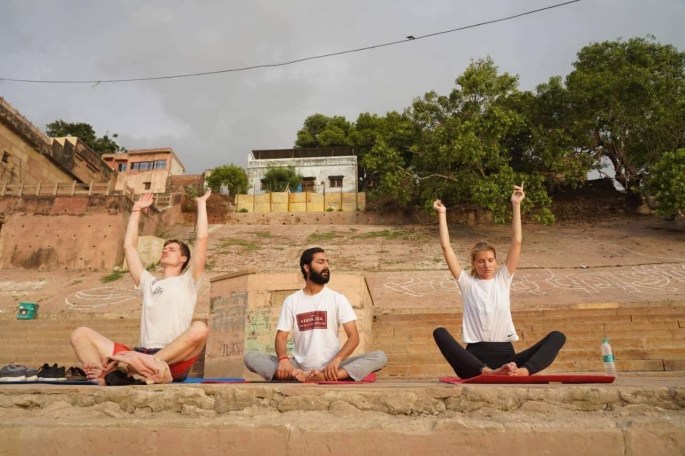
The Seated Mountain Pose or the seated Parvatasana gives a good stretch to the trunk, waist and shoulders. In Sanskrit, Parvat means a mountain and asana means a pose. In this posture, the body is stretched to look like a mountain. The seated mountain pose is good posture to release the stress in the shoulders and the trunk.
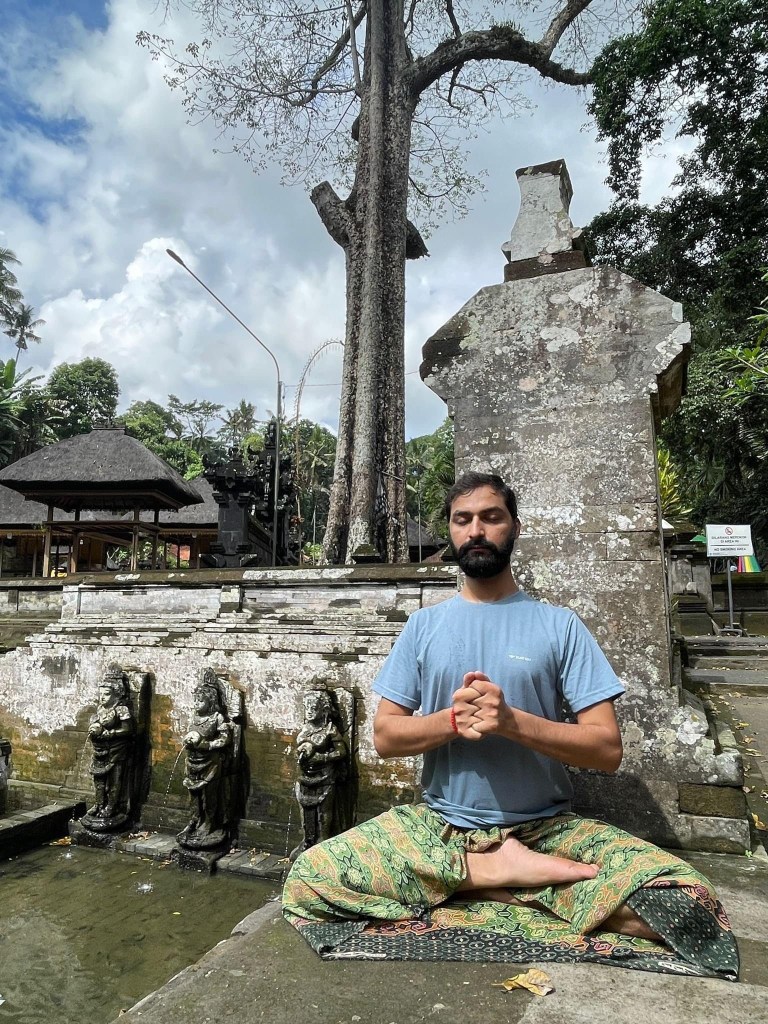
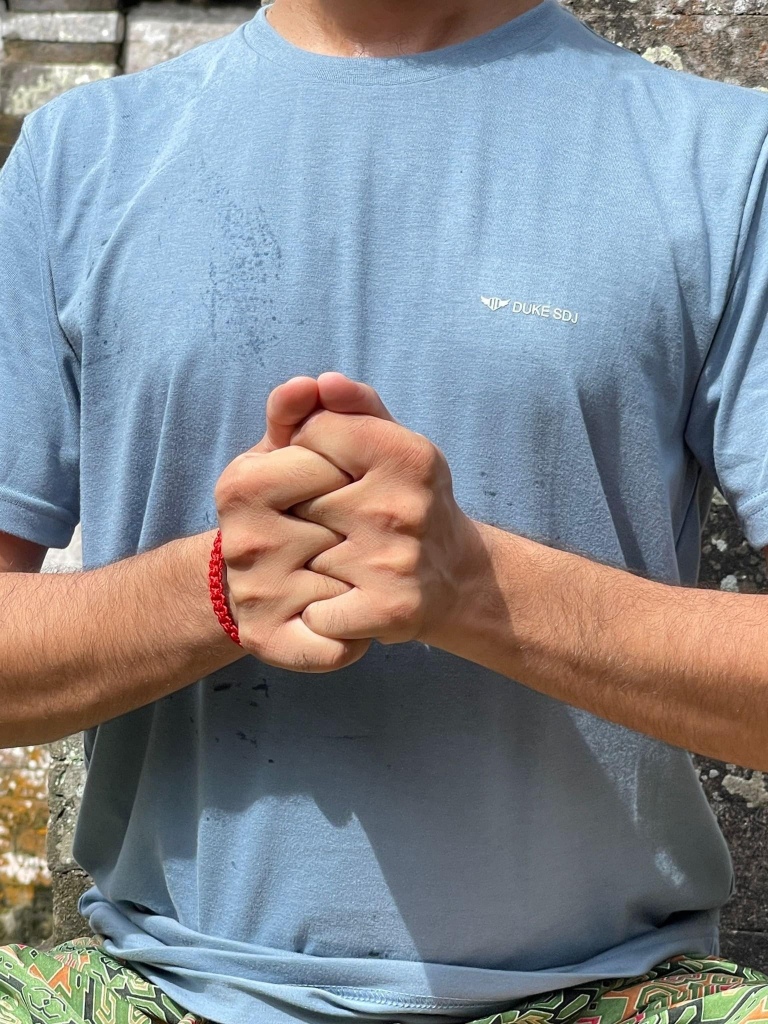
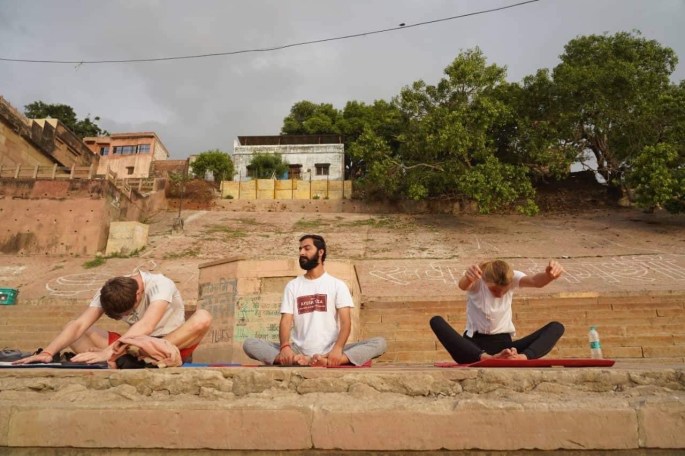
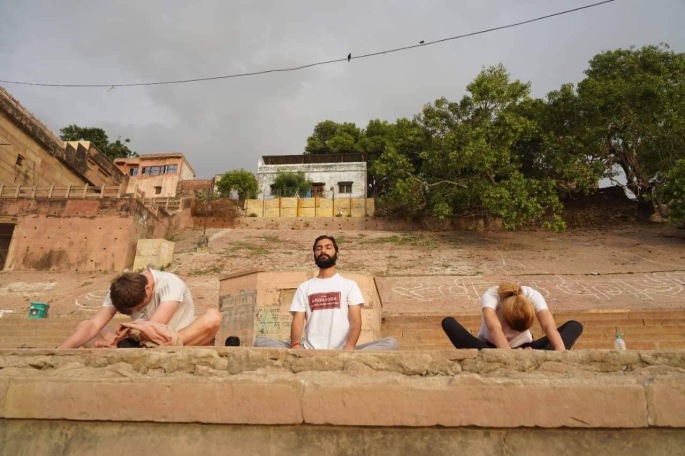
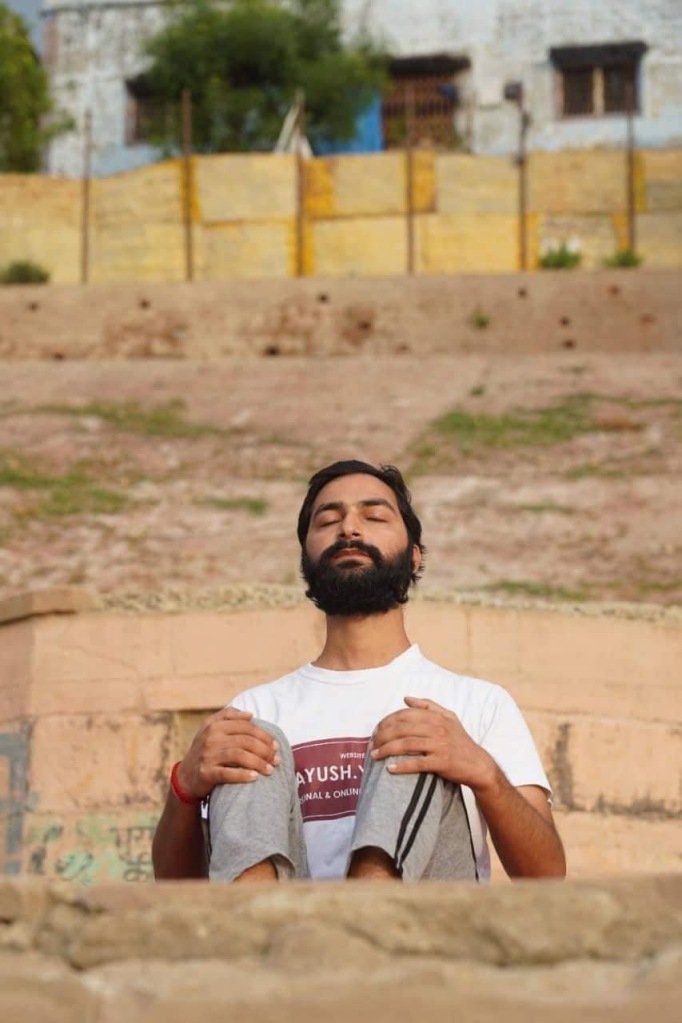
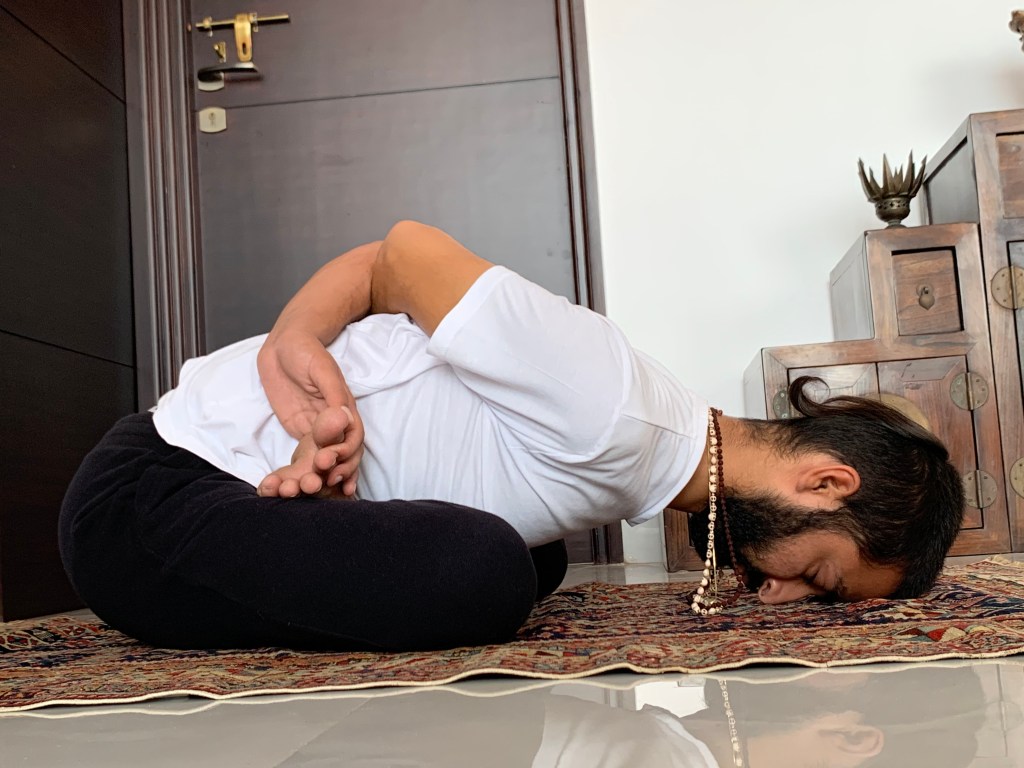
This Mudra practice massages the abdominal organs and stretches the back, contributing to good general health. In addition, it is an excellent preparatory practice for meditation, engendering a sense of relaxation. It relieves anger and tension, inducing tranquillity. It develops awareness and control of psychic energy and is used to awaken manipura chakra. The respiration should be as slow as possible without the slightest strain.
Yoga mudra is so called because it unites the individual consciousness with the supreme consciousness, or the outer nature with the inner nature.








 Yoga with Ayush